

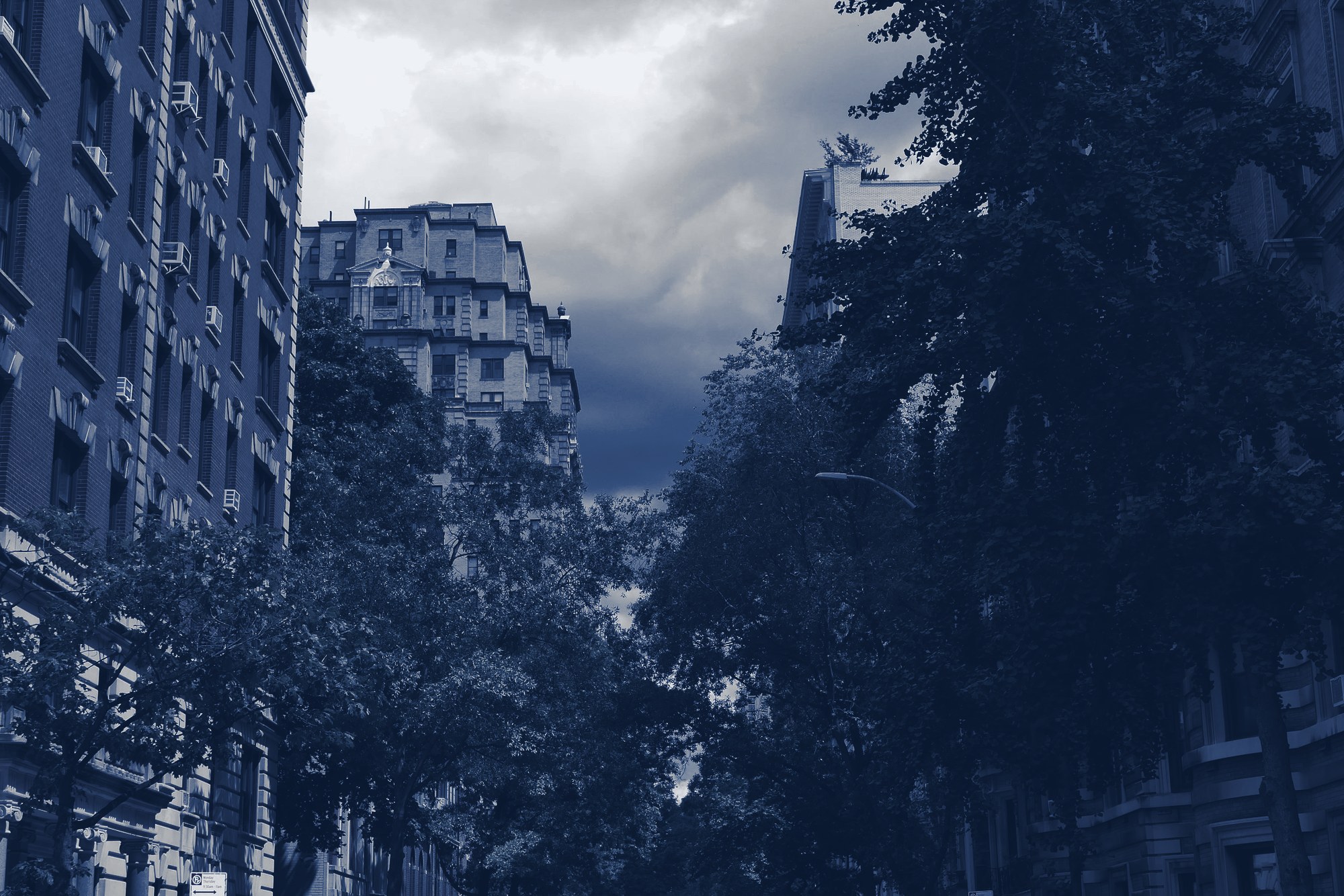
A hotel conversion is a building project, but it is also a neighborhood project. When an underused hotel becomes an apartment community, the people who arrive are no longer guests passing through for a night. They are residents who shop nearby, walk the sidewalks, send children to local schools, and become part of the place.
Cotra Revive converts existing hotels into multifamily housing. We think carefully about what that change means for the surrounding area, because the success of a conversion depends on more than the units inside. A building that fits its neighborhood tends to lease well, retain residents, and hold its value over time.
This article describes how we think about the relationship between a conversion and its surroundings: where reuse can add homes, why existing infrastructure matters, how we engage with the community, and what we consider at street level.
New homes in established places
Many neighborhoods that people want to live in have little vacant land left. Jobs, schools, transit, parks, and shopping are already there, but there is limited room to build new housing. In those places, existing buildings are often the most practical opportunity to add homes.
Hotels are well suited to this role. They were usually built on accessible sites, near roads, employment centers, and commercial corridors. Their structures are designed for people to sleep and live in, with bathrooms already in every room and services running through the building. When a hotel no longer works well as hospitality, conversion can bring housing to a location that might otherwise see none.
We look for places where long-term residential demand is supported by the surrounding area. Questions we ask include: Are there jobs within a reasonable commute? Are daily needs, such as groceries, pharmacies, and services, close by? Is there transit, and is the area walkable? Would a resident choose this location for its own merits, not just because the building is available?
When the answers are encouraging, a conversion can add homes without changing the basic character of the area. The building already exists. What changes is how it is used and who lives inside.
Using infrastructure already in place
One of the quieter advantages of adaptive reuse is that much of the supporting infrastructure is already built. Water, sewer, power, and roads serve the site. Sidewalks connect it to the neighborhood. The building has been part of the local fabric, sometimes for decades.
Using that infrastructure efficiently is good for residents and for the community. It can shorten the time from acquisition to occupancy compared with building on raw land, and it avoids extending new utilities and roads to the edge of town. It also gives a second life to the materials and structure already standing.
Parking and traffic deserve the same scrutiny. Hotel guests and apartment residents use cars differently. Guests come and go at check-in and checkout, while residents follow commuting and school patterns and may own more than one vehicle. We study how the site handles parking, deliveries, and drop-offs today, how residential use will change those patterns, and whether walking, cycling, and transit options can reasonably serve part of the demand. Getting this right matters to residents and to the neighbors who share the street.
Existing infrastructure still has to be confirmed rather than assumed. Utility capacity sized for a hotel may not match residential needs, particularly for water and electrical service once kitchens and laundry are added. We work with engineers and local utility providers early to understand what upgrades, if any, the conversion will require, and we include them in the budget from the start.
“The building already exists. What changes is how it is used and who lives inside.”
Listening before we design
Neighbors usually have views about a building on their block, and those views are worth hearing. A long-time resident may know about traffic patterns, parking pressures, or safety concerns that do not show up in a report. Local businesses may have thoughts about what the ground floor should become. Neighborhood groups and local officials can explain community priorities and the history of the site.
We aim to engage early and listen genuinely. Where appropriate, that can mean meeting with neighborhood associations, attending public meetings, and responding to questions directly and in plain language. We try to explain what we intend to do, why, and how the project will be managed during construction.
Communication continues once work begins. Construction brings trucks, noise, and temporary changes to sidewalks or parking. We think it is reasonable for neighbors to know the general schedule, the working hours, and who to contact if something goes wrong. Clear notice before disruptive work, and prompt follow-up when a concern is raised, go a long way toward preserving goodwill during a period that can be inconvenient for everyone nearby.
Engagement is not a promise to accommodate every request. Some suggestions will conflict with the building’s constraints, the approvals required, or the business plan. But listening early often surfaces practical ideas, and it builds the kind of relationship that serves a long-term owner well. We would rather understand concerns at the start than discover them at a hearing.
The ground floor and the street
How a building meets the street shapes how a neighborhood feels. Many hotels have large ground floors with lobbies, restaurants, meeting rooms, and service areas. In a conversion, those spaces can be redesigned in ways that serve both residents and the surrounding community.
Options include resident amenities, a leasing office, package rooms, and storage, as well as ground-floor uses open to the public where the location and approvals support them, such as a café, a small shop, or a service business. A lively ground floor brings activity and eyes to the street. A blank wall or a darkened former restaurant does the opposite.
We weigh these choices practically. Commercial space must be leasable, manageable, and compatible with residential life above. Hours, deliveries, noise, odors, and security all matter. We consider entrances, lighting, landscaping, and signage, because these details determine whether the building feels welcoming and safe after dark as well as during the day.
“A lively ground floor brings activity and eyes to the street.”
Residents as neighbors
Once a conversion is complete, its residents become part of the neighborhood. A well-run apartment community supports local businesses, adds steady activity to the block, and gives people a chance to live close to where they work and spend their time.
Our communities are open to everyone, and we treat our fair housing obligations as a core responsibility. Leasing follows consistent criteria applied to every applicant, and we describe homes and amenities accurately. We want residents to feel at home and to stay, because long-term residents tend to invest in their community.
A conversion can also widen the range of homes available in an area. Efficient studios and one-bedroom apartments, which hotel floor plates often support well, can give people another option in neighborhoods where most housing is larger or older. Adding that kind of choice can help people who already work or have family in the area live closer to them.
Good management is also part of being a good neighbor. Well-maintained landscaping, clean exteriors, orderly trash handling, and responsive staff reflect on the whole block. Problems are addressed promptly, and neighbors who raise concerns should know who to contact and expect a reply.
Stewardship over the long term
Cotra approaches every property as a long-term owner. For a Revive community, that means continued capital investment in the building, care for the exterior and public-facing areas, and attention to how the property fits as the neighborhood evolves.
Every Revive community operates under a written business plan and reports monthly on occupancy, rent growth, operating margin, capital spend against budget, and resident satisfaction. Those reports help us spot problems early, including issues that affect neighbors, and address them before they grow.
Neighborhoods change, and a long-term owner has to change with them. New employers arrive, retail shifts, transit routes are added or altered. We revisit each business plan as conditions evolve, asking whether amenities still fit residents’ needs, whether the ground floor is still serving the street well, and what capital investment will keep the building competitive and well kept for years to come.
A conversion succeeds when it becomes an ordinary, valued part of its surroundings: a building people walk past without a second thought because it simply works. That is the outcome Cotra Revive works toward on every project.
The best conversions feel as if they were always meant to be home.
This article is for general information only. It is not investment, legal or tax advice, and it is not an offer to sell or a solicitation of an offer to buy any security. See Important information.